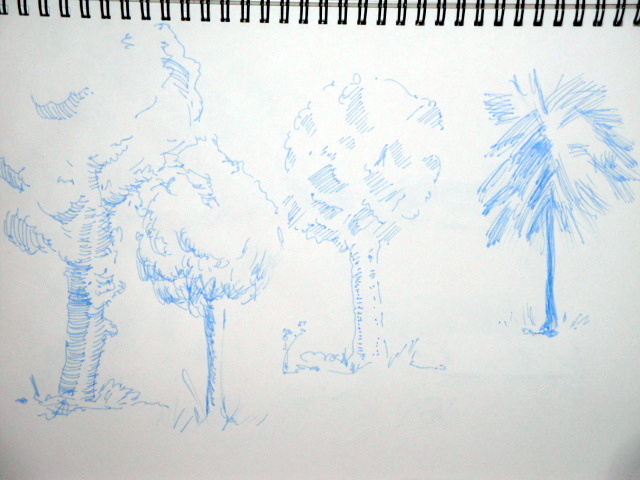
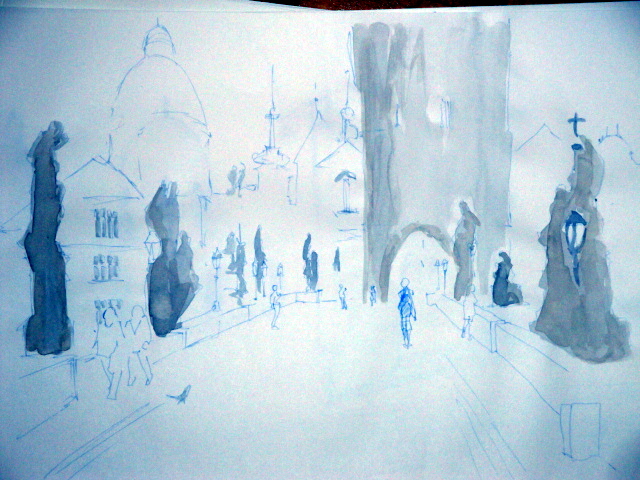
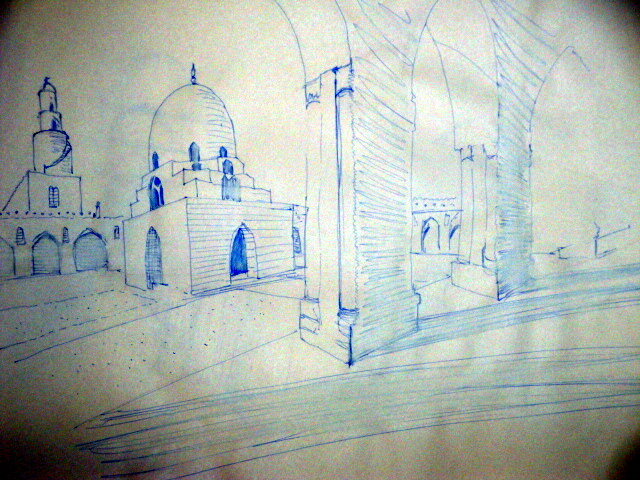
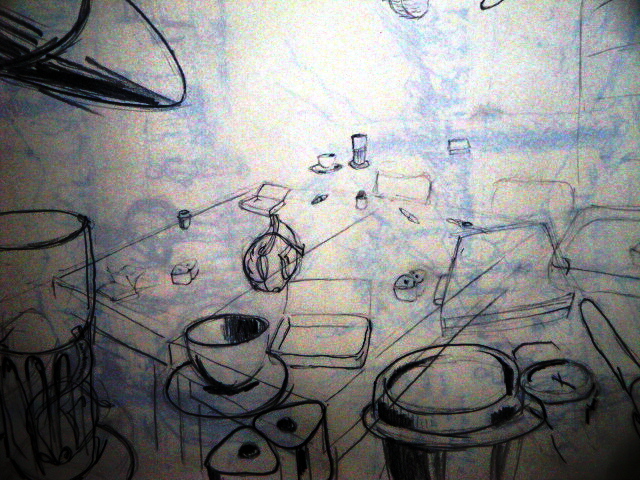
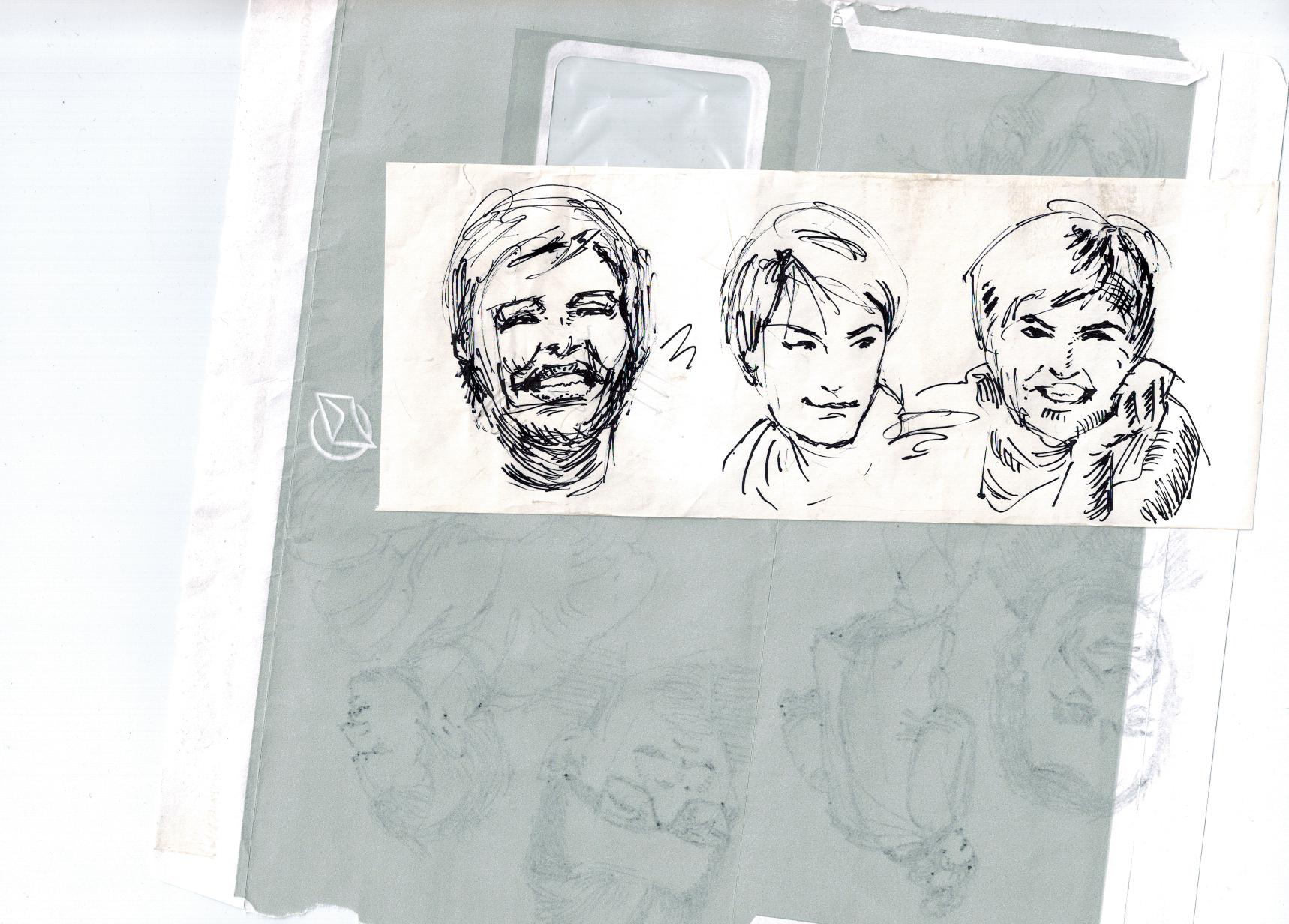
Jawlensky … a weekend

Just back from a weekend “painting” course in my local municipal art museum, where a handful of original Jawlensky portraits are currently being exhibited.

Jawlensky, abstract modernist, had a long productive period in which he developed a very abstract view of portraits. I will not even attempt to resemble any notion of understanding in any detail, anything about abstract paintings. But, standing there, in front of one of Jawlensky’s portraits (can’t find it on the Net, sorry) and analysing the colours and impressions our small group had, well …  that really opened my eyes for this one painting. Wow! I will never see it again with the naive eyes I approached it on Saturday.

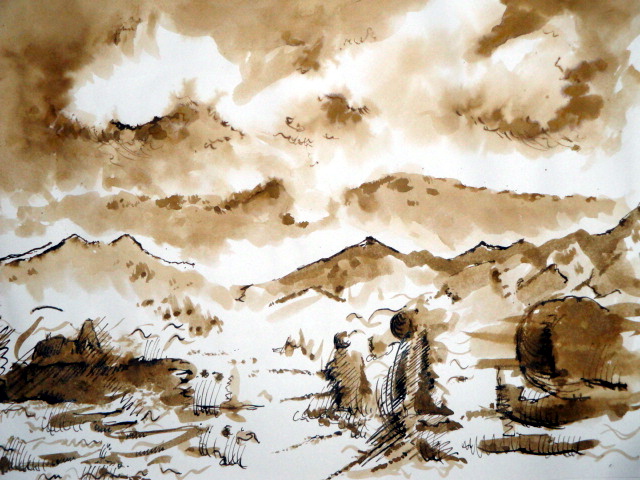
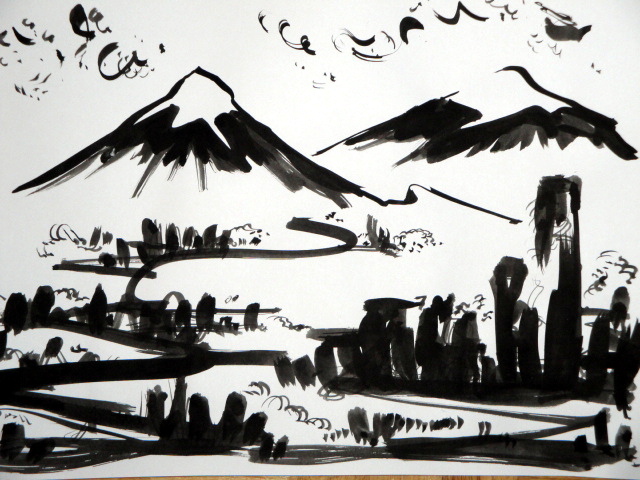
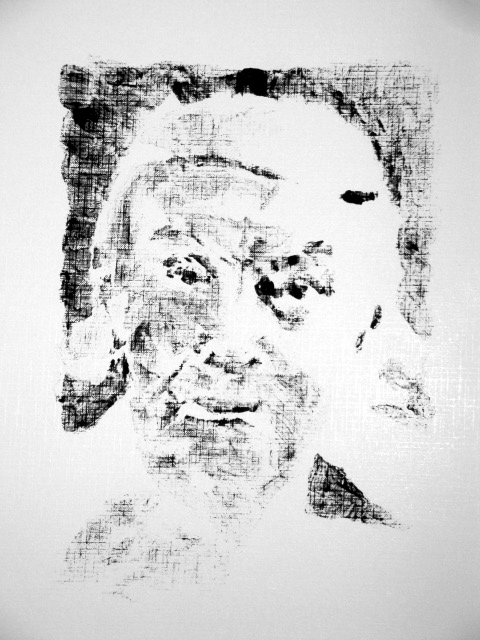
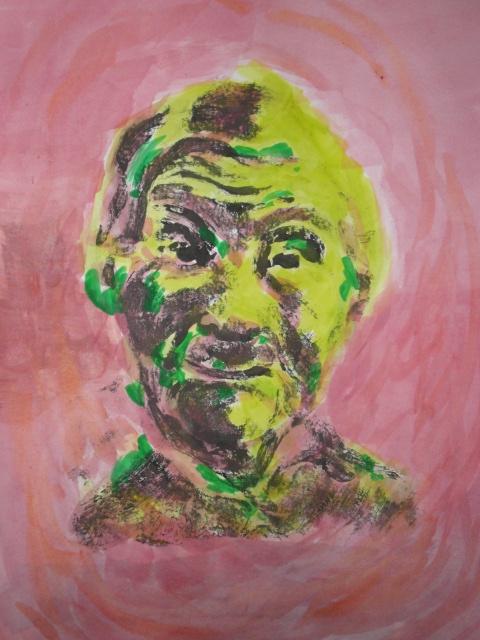
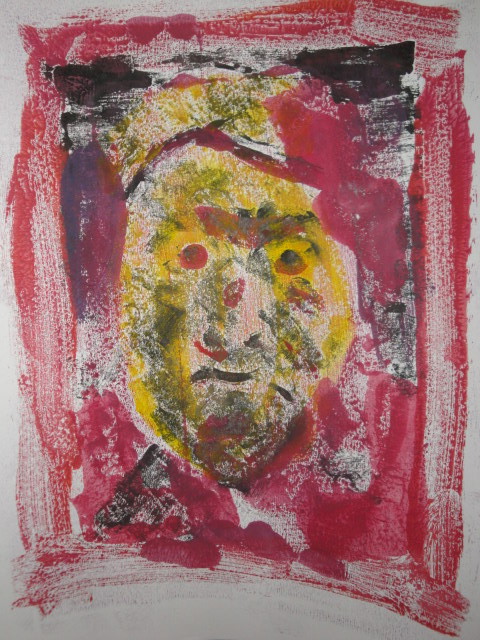
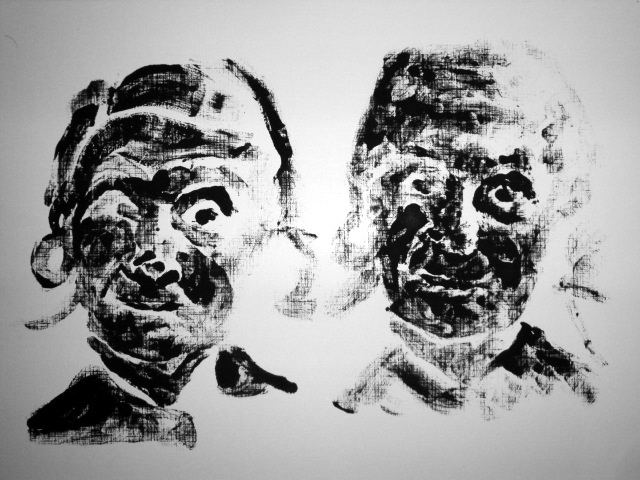
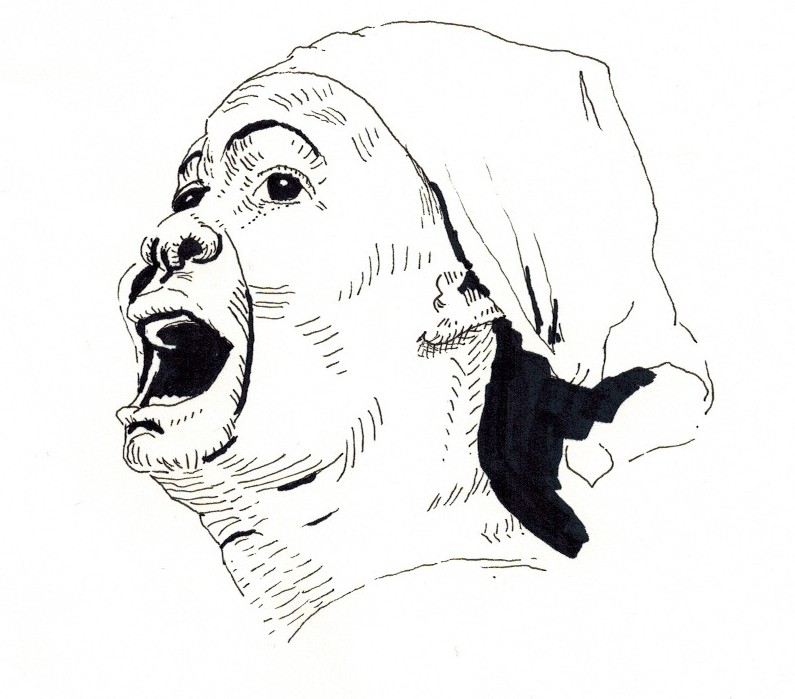
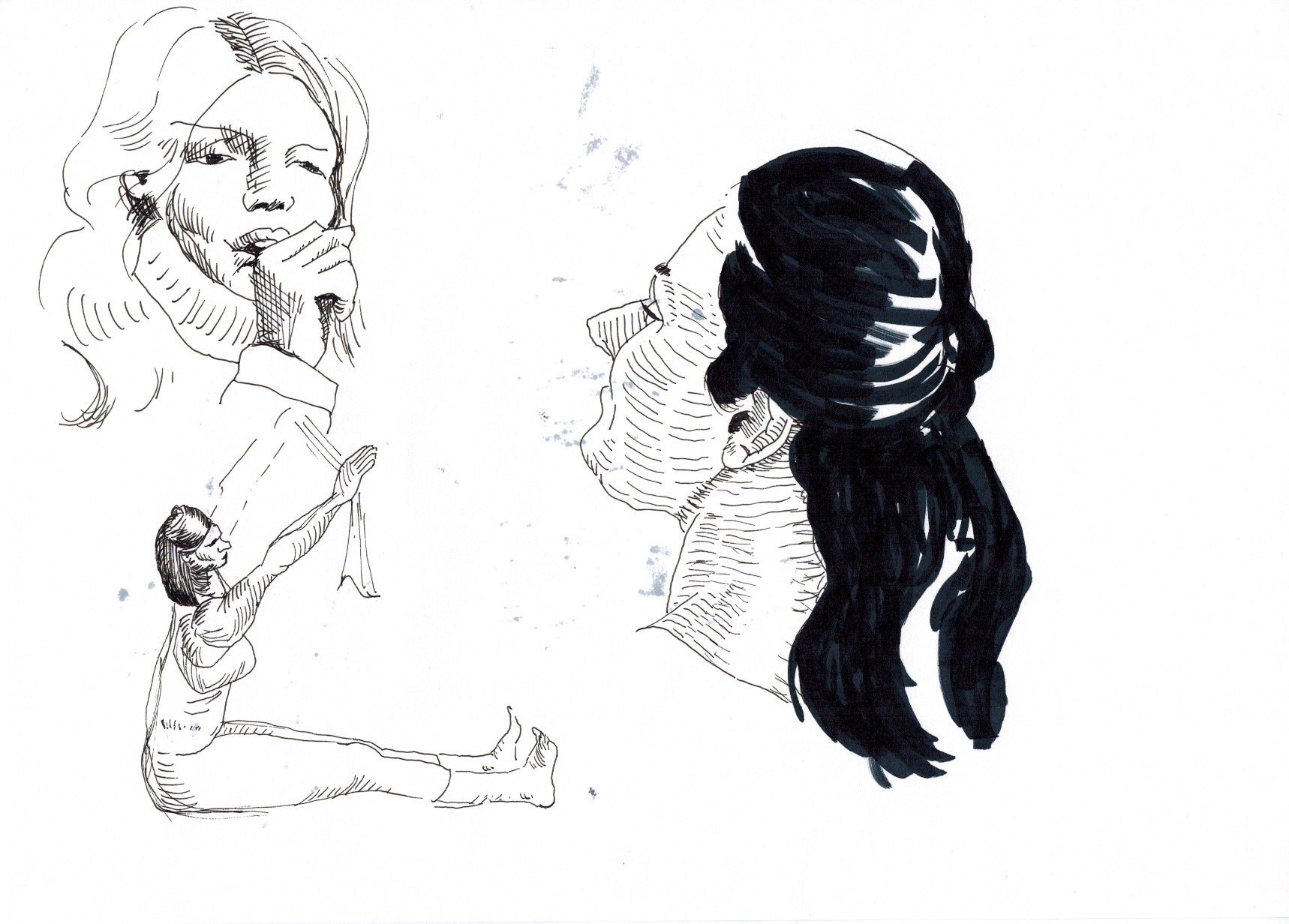
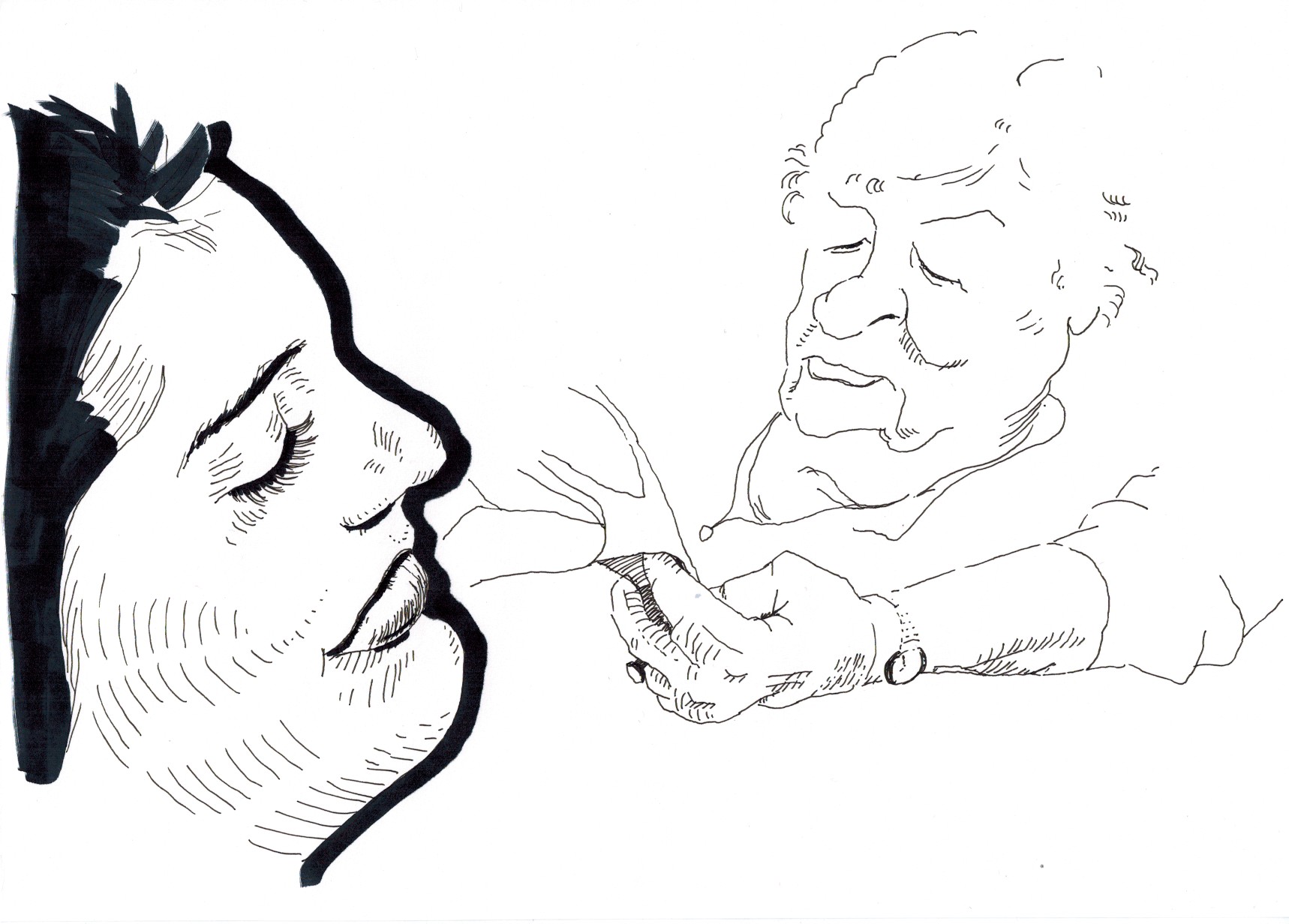
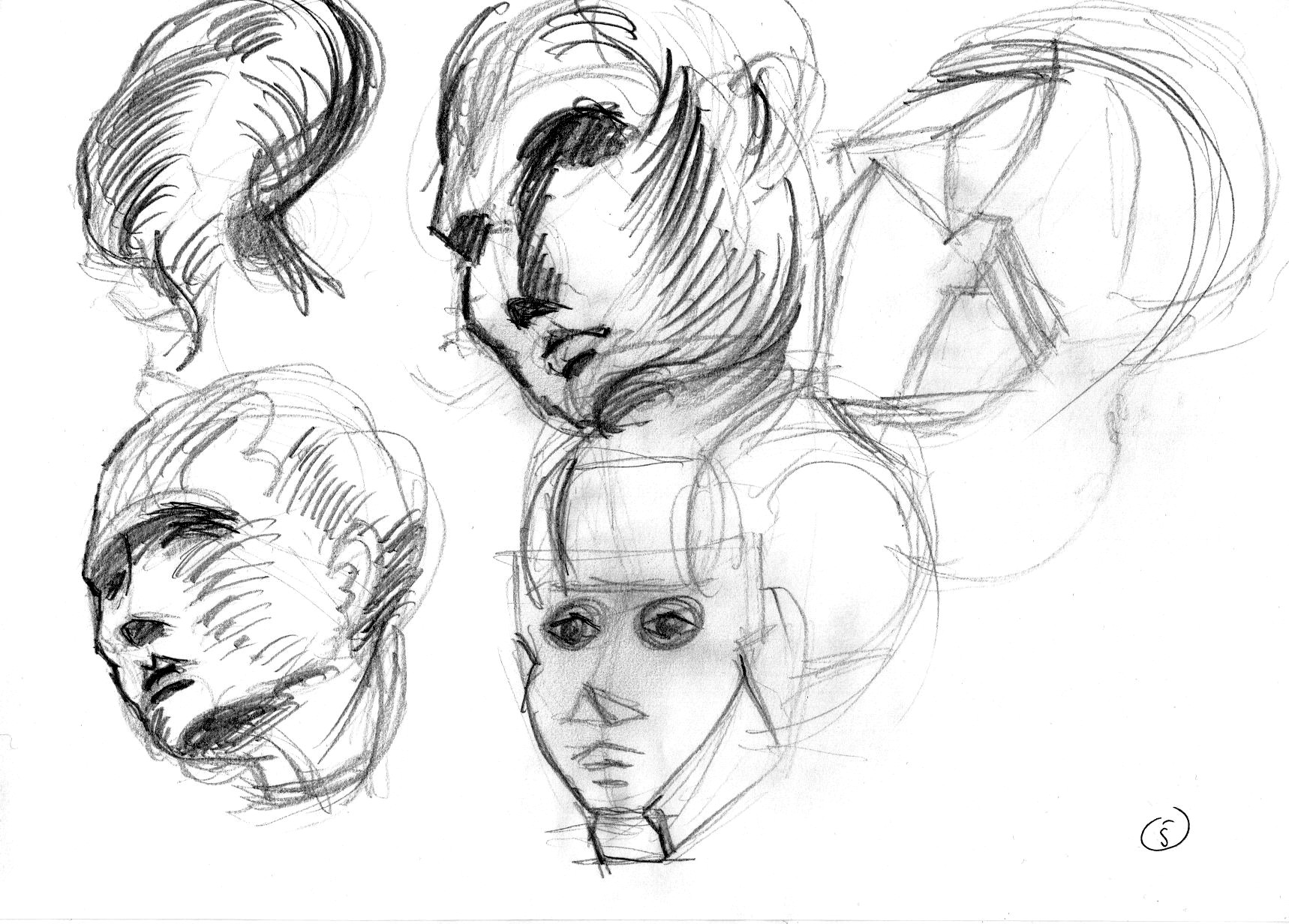
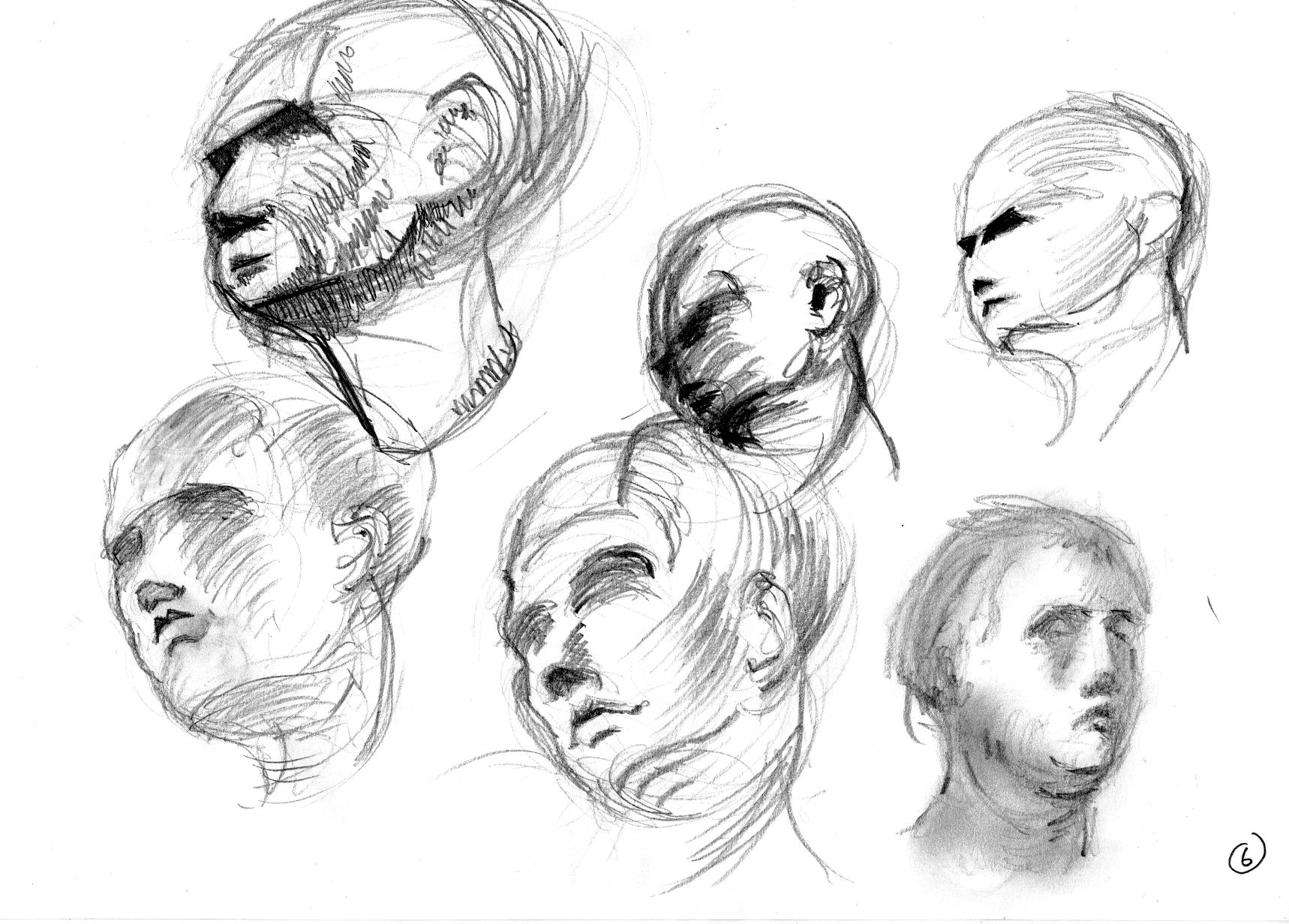
Back at the workbench: Monotyping all Saturday, then Sunday began with first attempts at colour. Here the results.

These are my best monotyping examples. A geriatric lady, obviously on her way out, reminding me of the passing of time and the two extremes of childhood and old age … which in the end, perhaps do not seem so far apart.

DSC03455 DSC03458

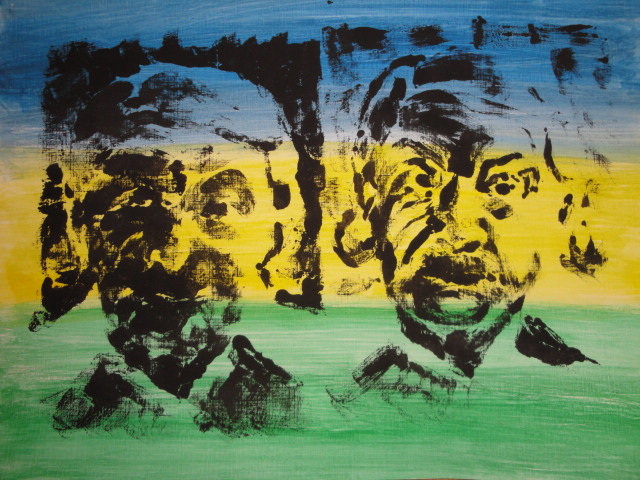
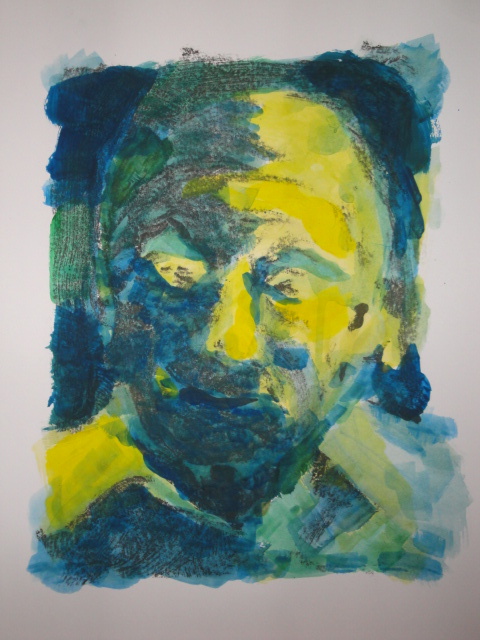
Next day (Sunday) the colours appeared.

DSC03450 DSC03451 DSC03452 DSC03453 DSC03454

Then a few more monotypes and a final painting.

DSC03449DSC03448

Bridgman … and I

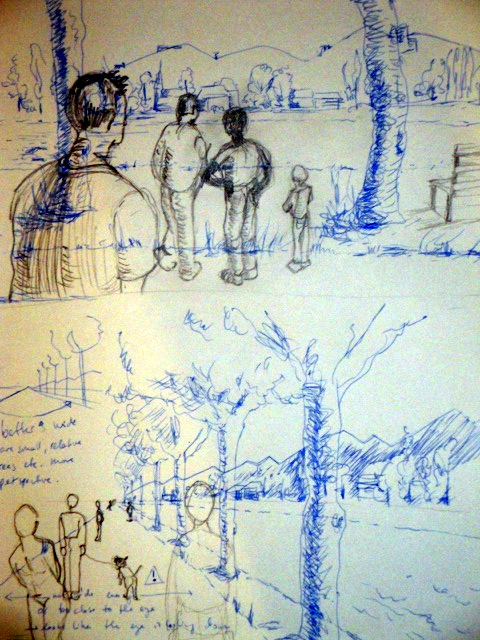
This is terrible, I know … returning to Bridgman again and again. And letting those awfully long breaks get in my way. Making me believe I’ll never get the hang of perspective, mass and form, not to mention gesture and fluidness.

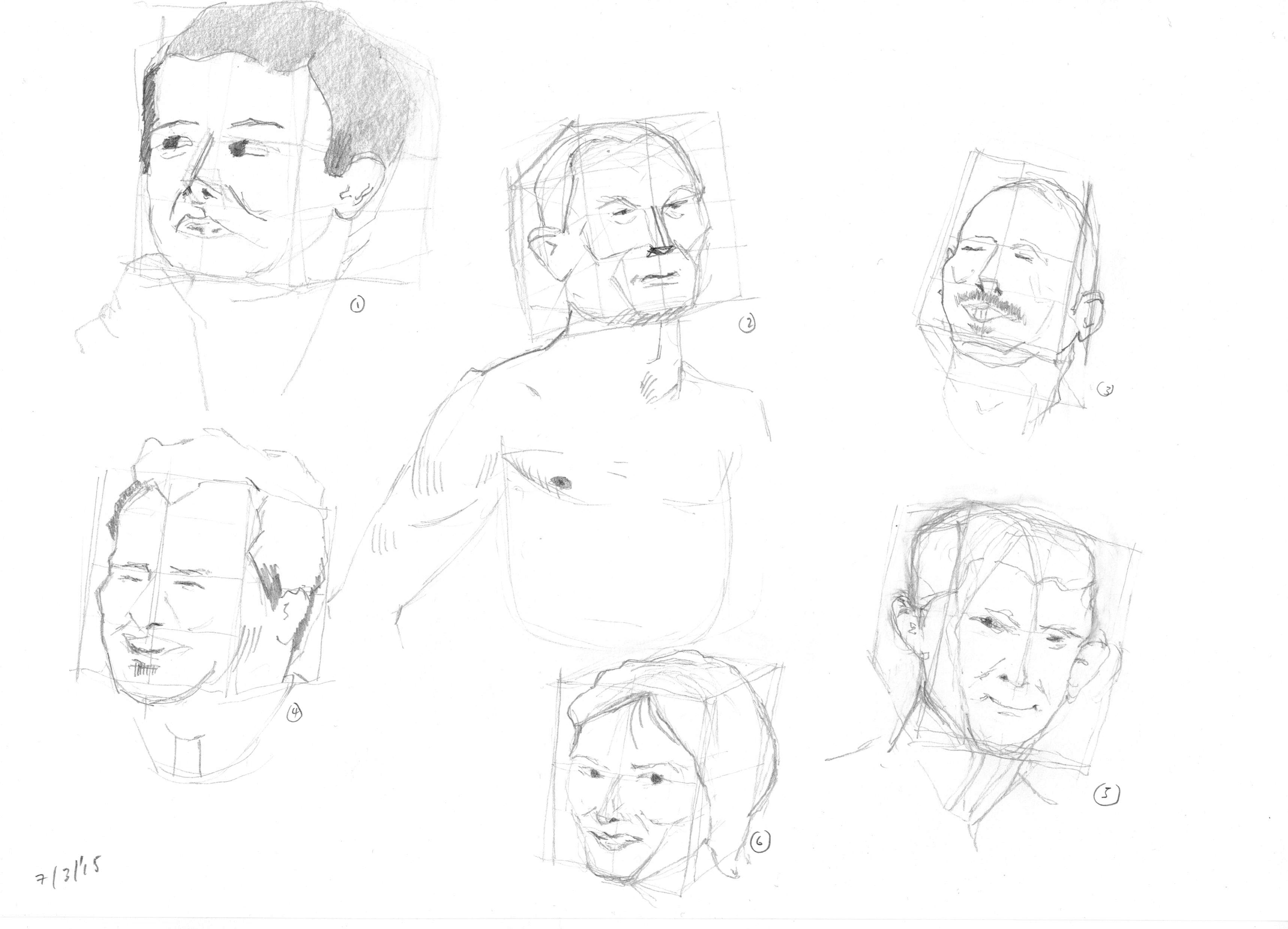
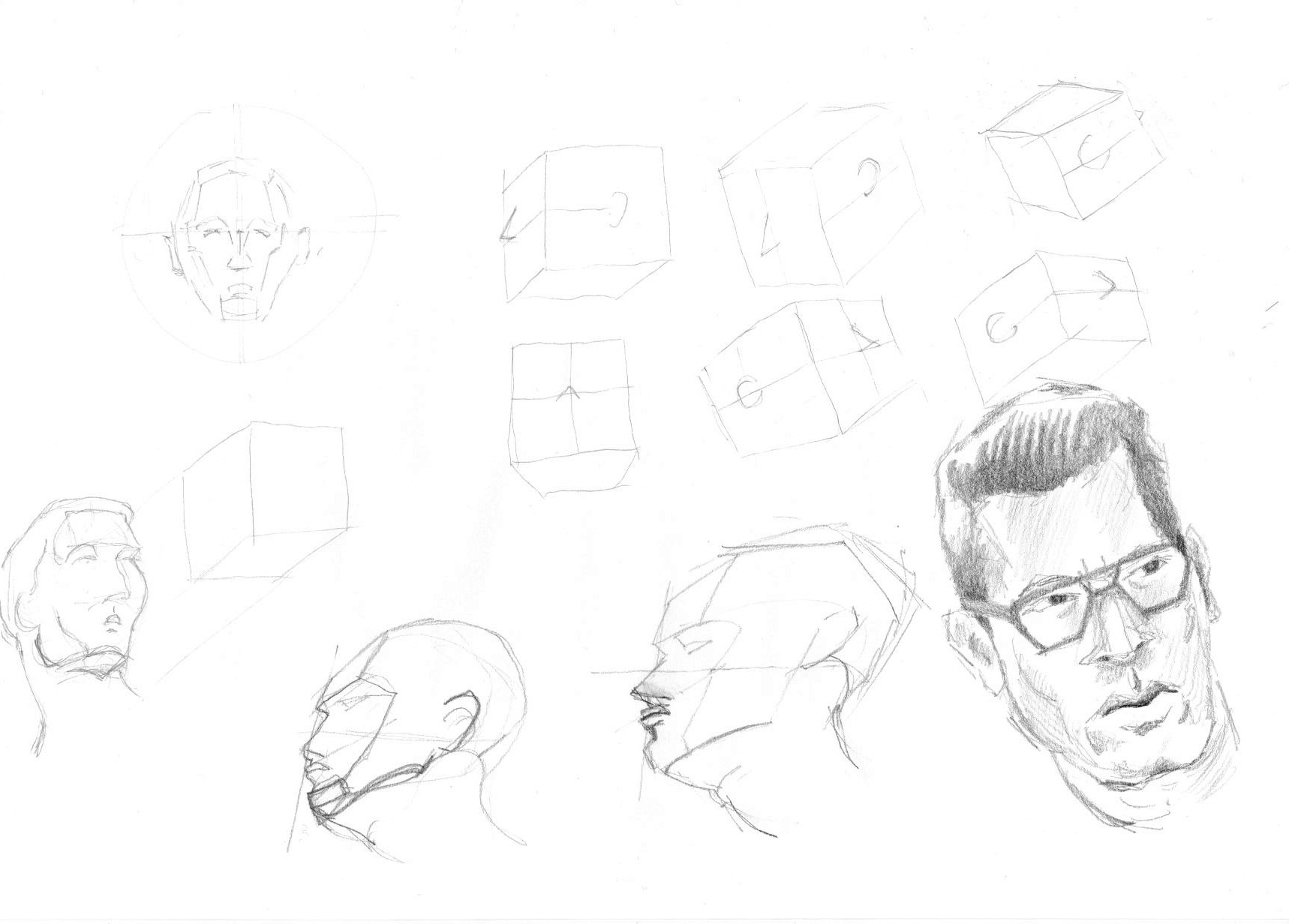
Anyhow, this morning I had the courage to sit down for 30 minutes again and analyse the ad I have had open on my desk for the last 5 months (full of faces reminiscent of Italians). My analysis concentrates on what I believe could be the perspective of the head when viewed as a box. Everything that follows from there is based on what I still believe to know thanks to George Bridgman. I’m still missing or have forgotten or have never really understood lots of what he’s tried to teach me (or at least what I’ve tried to learn from his book(s)).

But if I can teach myself this perspective mystery with diligent work, I’m sure once I begin approaching the next Bridgman lessons they will promise a much greater success in my learning process.

Here’s what I got out of those 30 minutes.

20150307_faces_01

Back to Business

Returning to the pencil after over a month of nothing.
I left my path after spending a few days with George Bridgman’s “Drawing from Life”, which more or less gives you tools and expert insight, but basically expects you to experiment with the provided options. It is a great eye opener and what probably pushed me off my high pedistal was the obvious ease with which Mr Bridgman finds his planes, light sources, masses, forms and perspective, rendering these with the seamingly simplest of lines.

Scanned Document-6

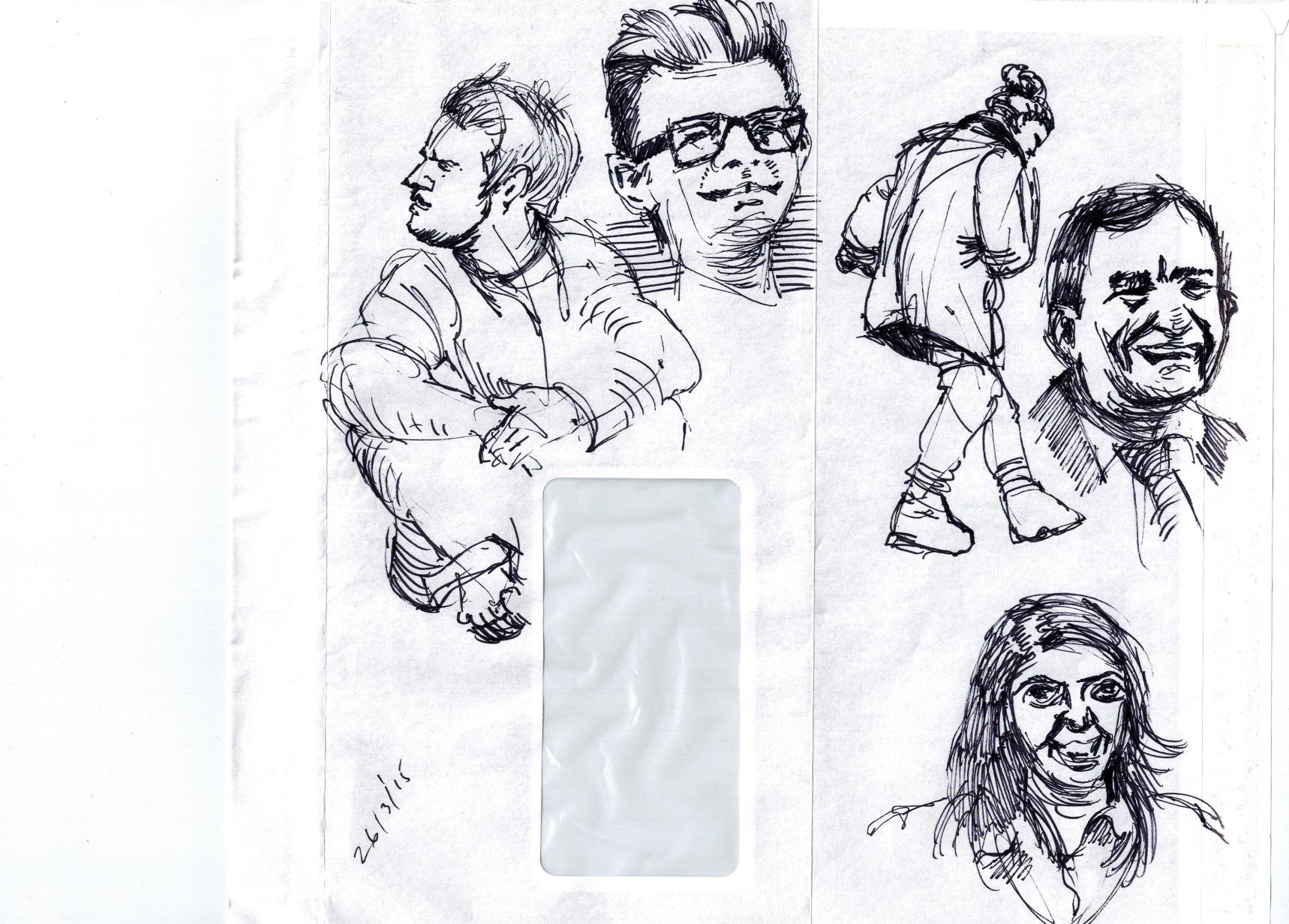
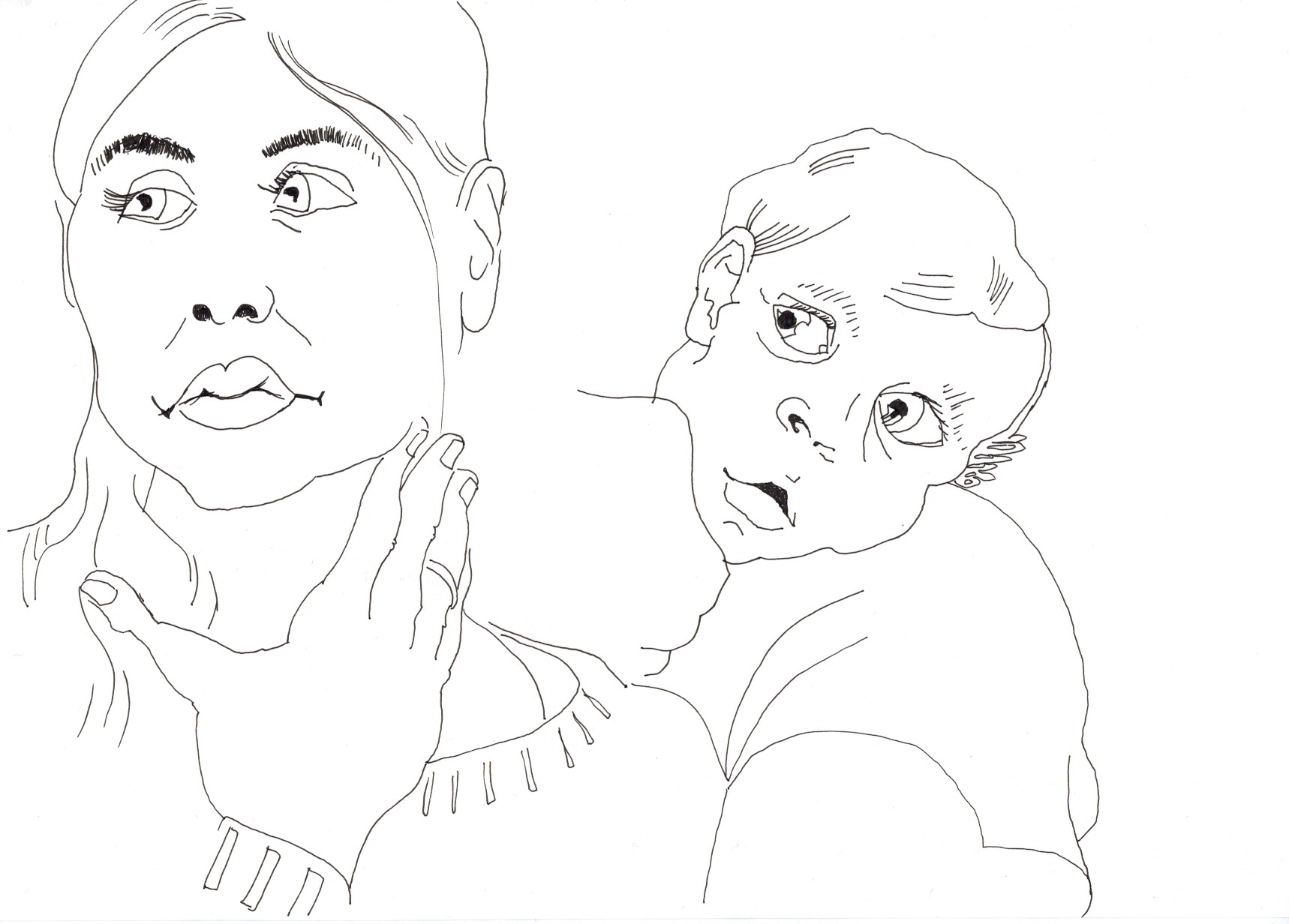
My last drawing before the afore mentioned self-inflicted break is the above portrait on the left, the portrait on the right is from today. The was basicall no drawing during th ebreak. Both are about 5 minutes work. The last month I had been realising once more how important the perspecitve question is and also the story each line carries for the observer. If a line has the slightest curl to it, then it will influence the observer. I need to learn to understand and predict these subconcious and pre-programmed reactions of the audience.

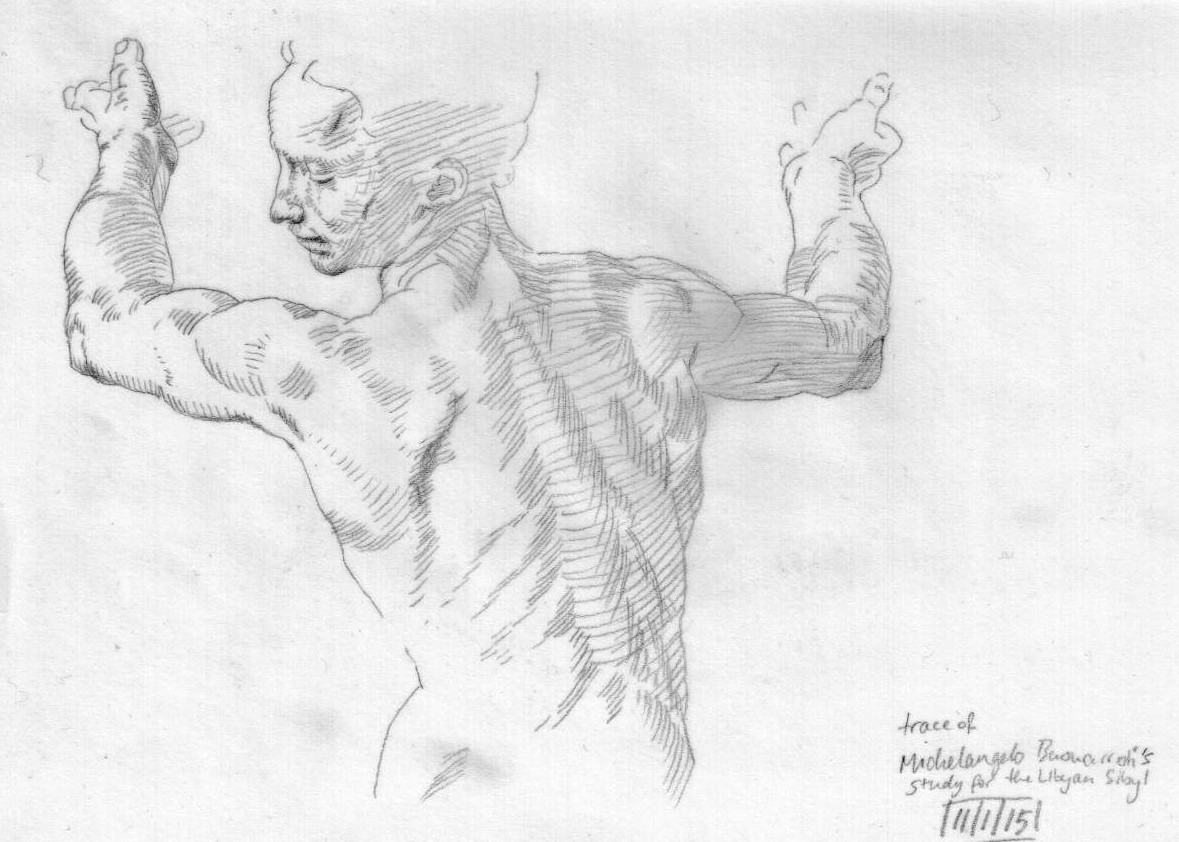
Also, before leaving the drawing board for the prolonged break, I made a few attempts at tracing the Classical Masters. I’m not sure if I am infringing on any copyright licenses here. This is a trace of a Carracci and a Michelangelo. These are probably excellent exercises (but expensive, due to the cost of tracing paper nowadays). Here you can learn the different “stories” lines can have. It is also an eye opener which allows me to see the real value of these old sketches, cementing there classification as Masterpieces, at least for me.

Scanned Document-1 Scanned Document-1b

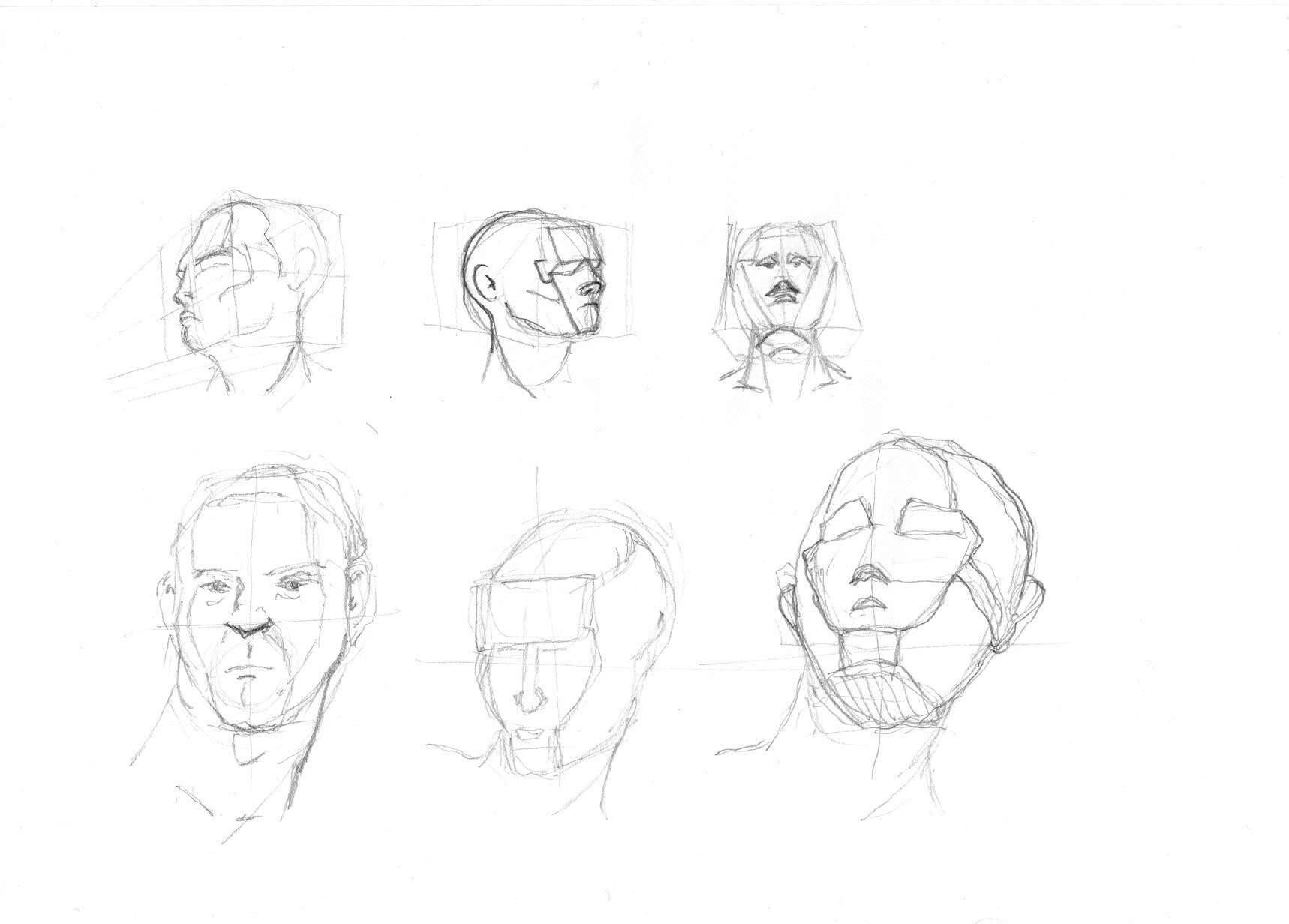
To put everything back into perspective, here the G.Bridgman sketching attempts I made before the break:

Scanned Document-2 Scanned Document-3 Scanned Document-4

More lines …

Continued working on my lines.
I’m flabbergasted to see what importance the smallest of lines can have. Allowing the brain to understand the precedence of plains or mass in sketches. Having fun with my Copic Multiliner and Copic Ciao markers.

20141213-220141213-1a 20141213-1

Moebius and A. Dürer wept

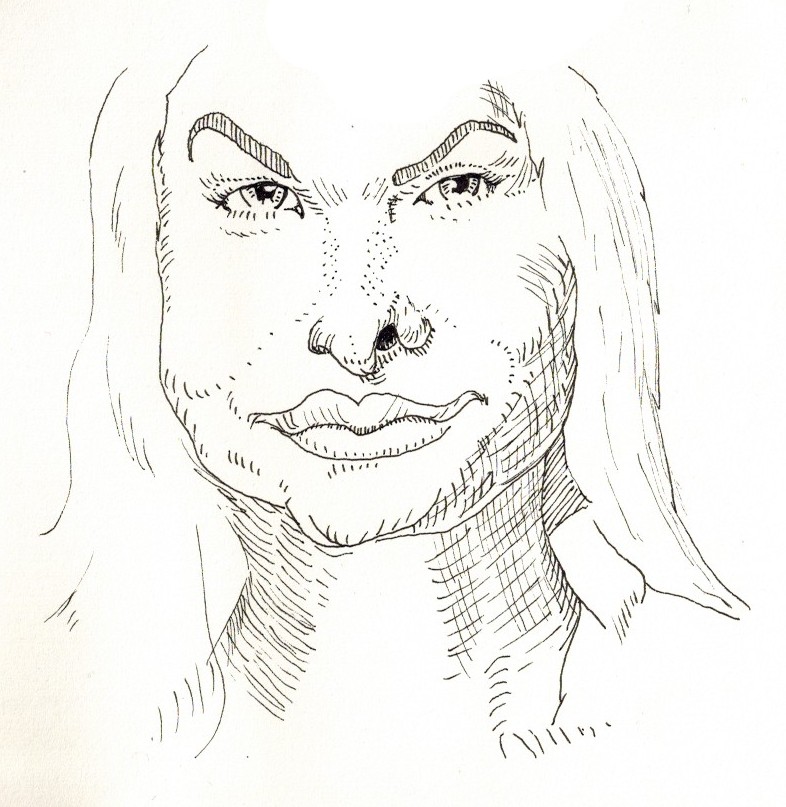
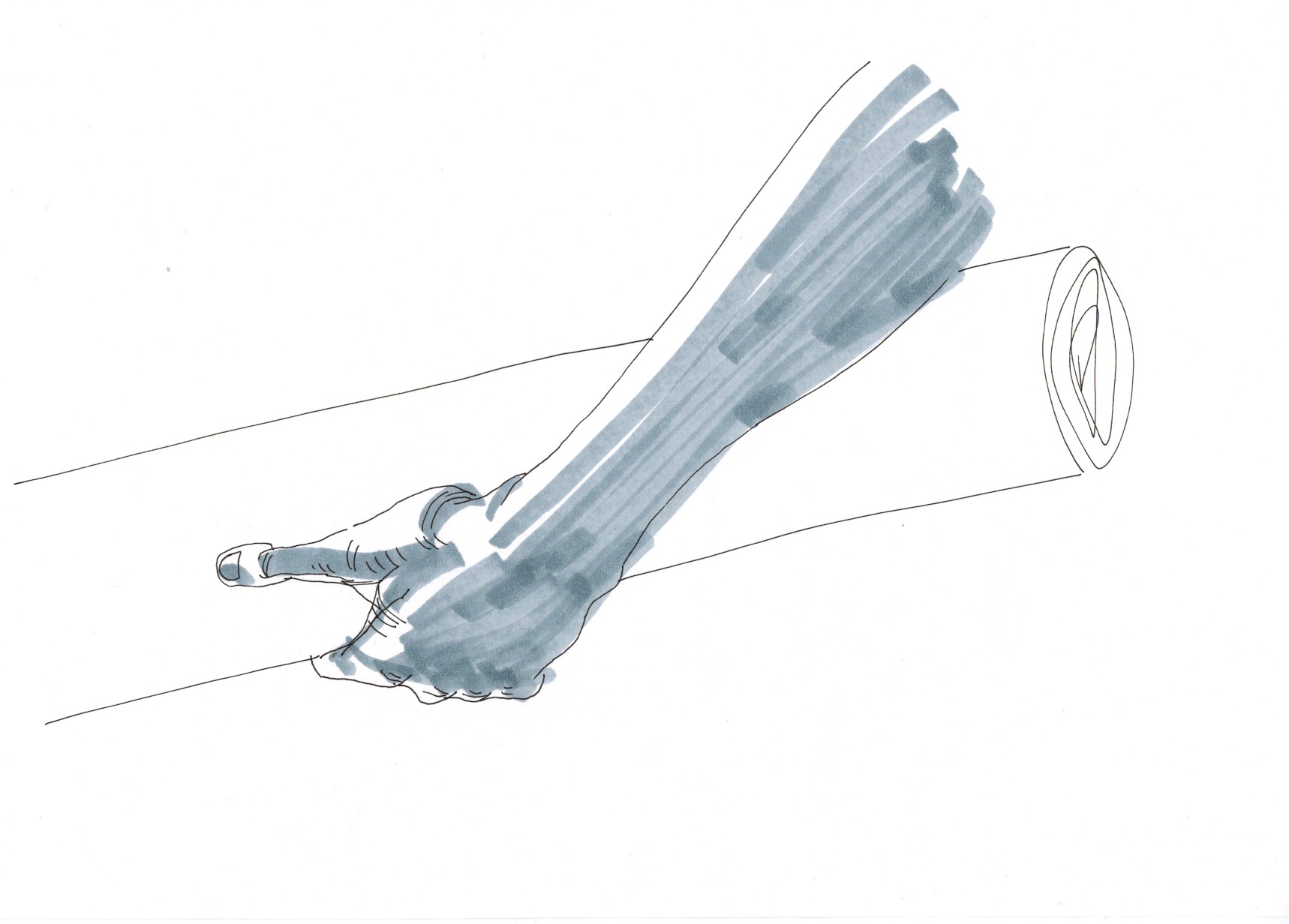
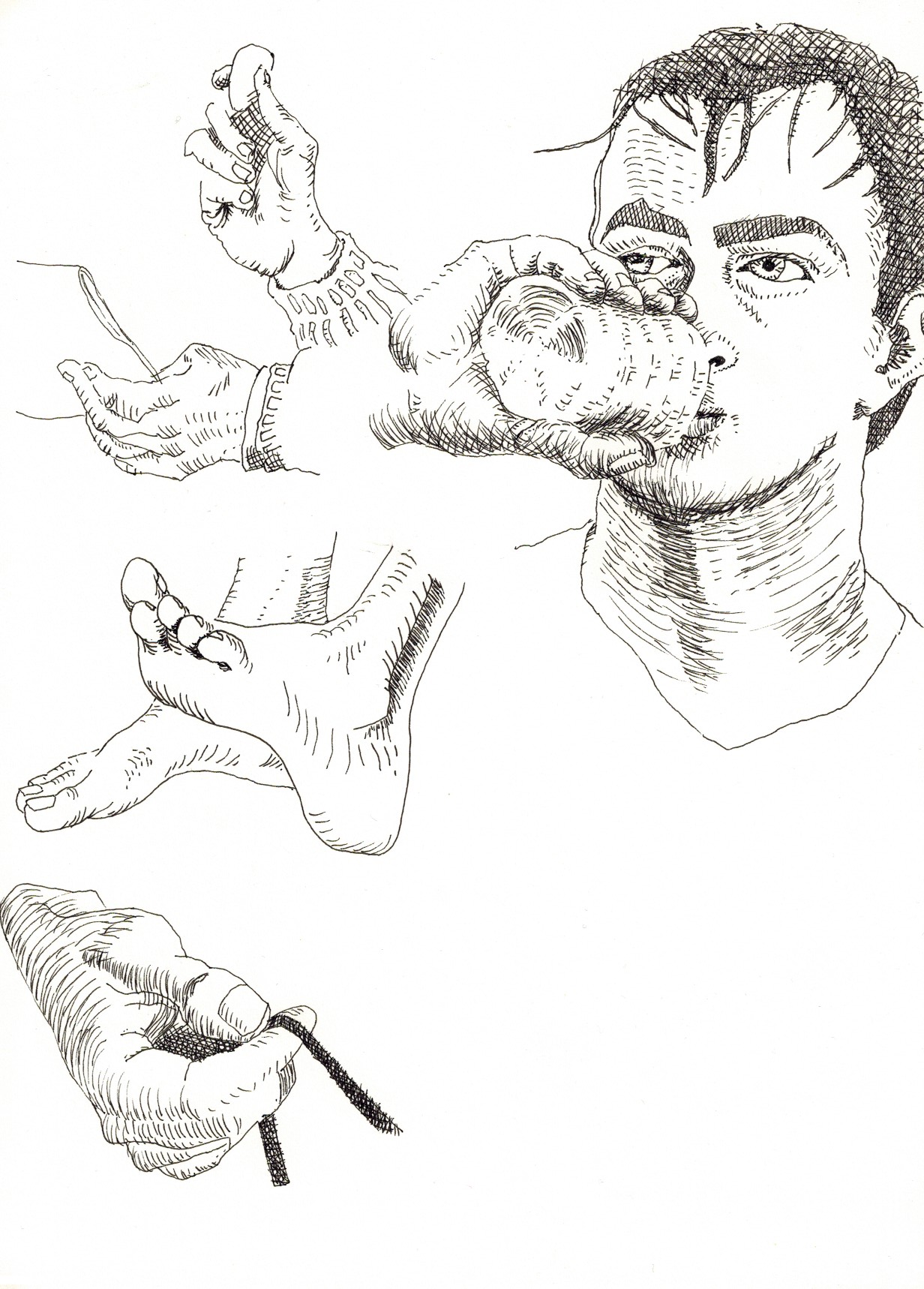
Ok, I probably need to get over myself, but I spent the weekend with my Copic Multiliner and a new Copic Ciao Black and Grey marker pen. I’m looking into creating the impression of space, perspective, form and surface structure by concentrating on each line making decision. The first results are pictures of hands, so I considered mentioning Dürer and as many of the lines remind me of what I enjoy about Moebius comics, I mentioned him too. Can’t get enough of them two.

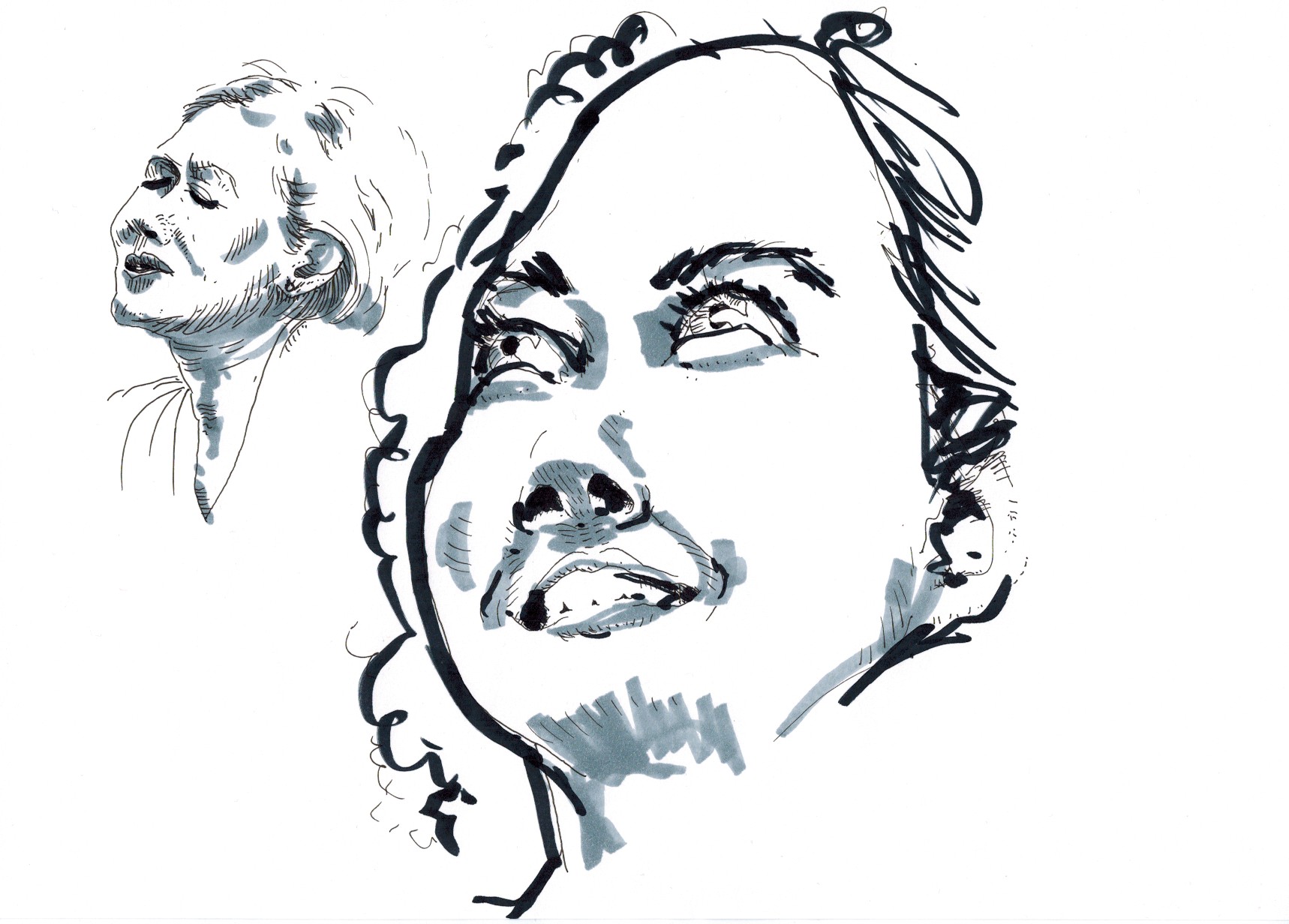
So all of these are from references out of a chemist’s magazine, so there are a few ladies with a cold. I’m only working with the Copic pen (0.3) and not doing much active measuring, so some sketches look wonky put also funny.

20141210-2 20141210-3 20141210-4 20141210-5 20141210-7 20141210-820141210-1

An Evening with George B. Bridgman

Well, actually it starts with a morning on my own.

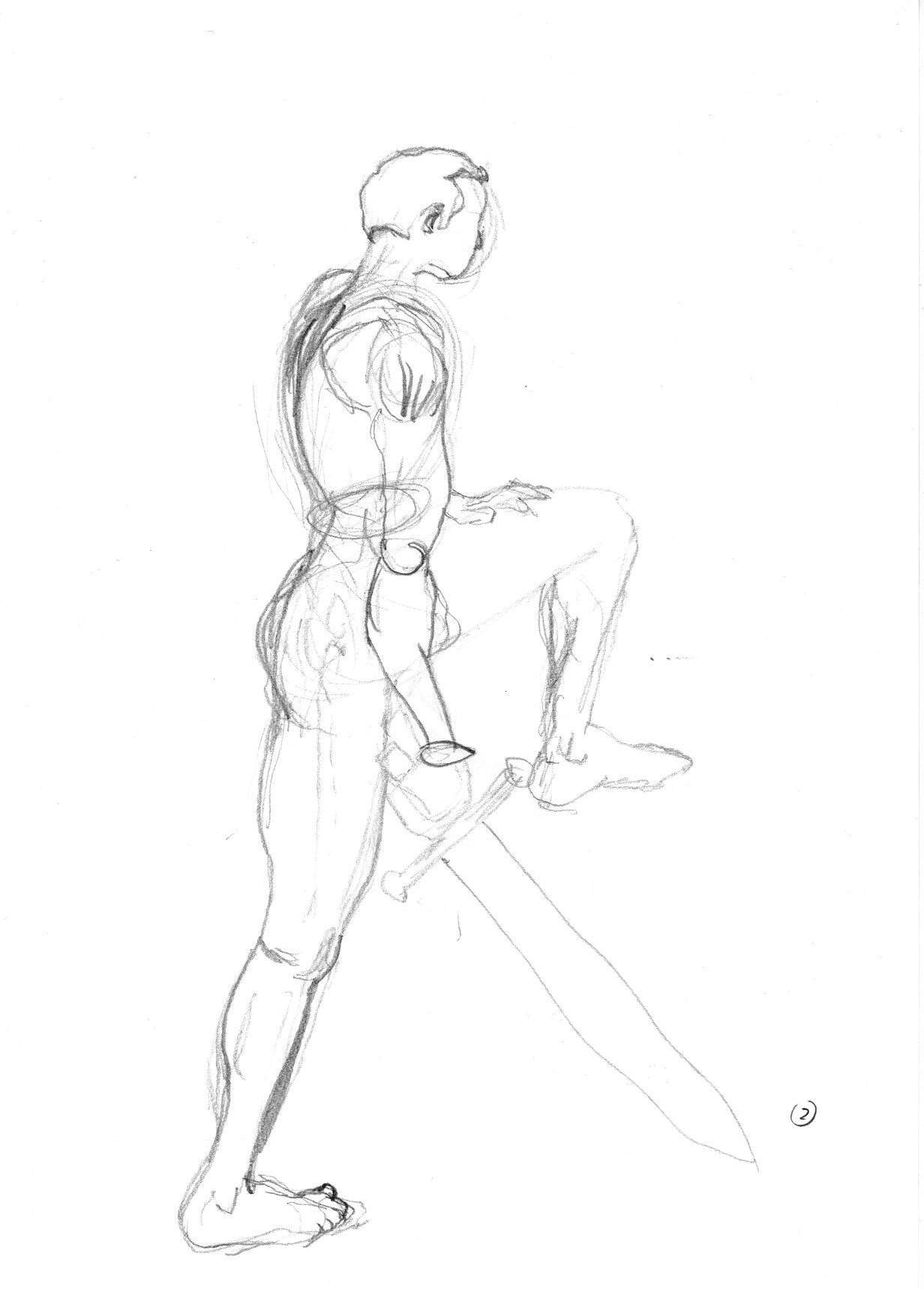
Attempting to sketch/draw a figure without reference and from the top of my head. This has been spooking around my head for a few days and before I left for the office, I wanted to give it a try:

20141124-1
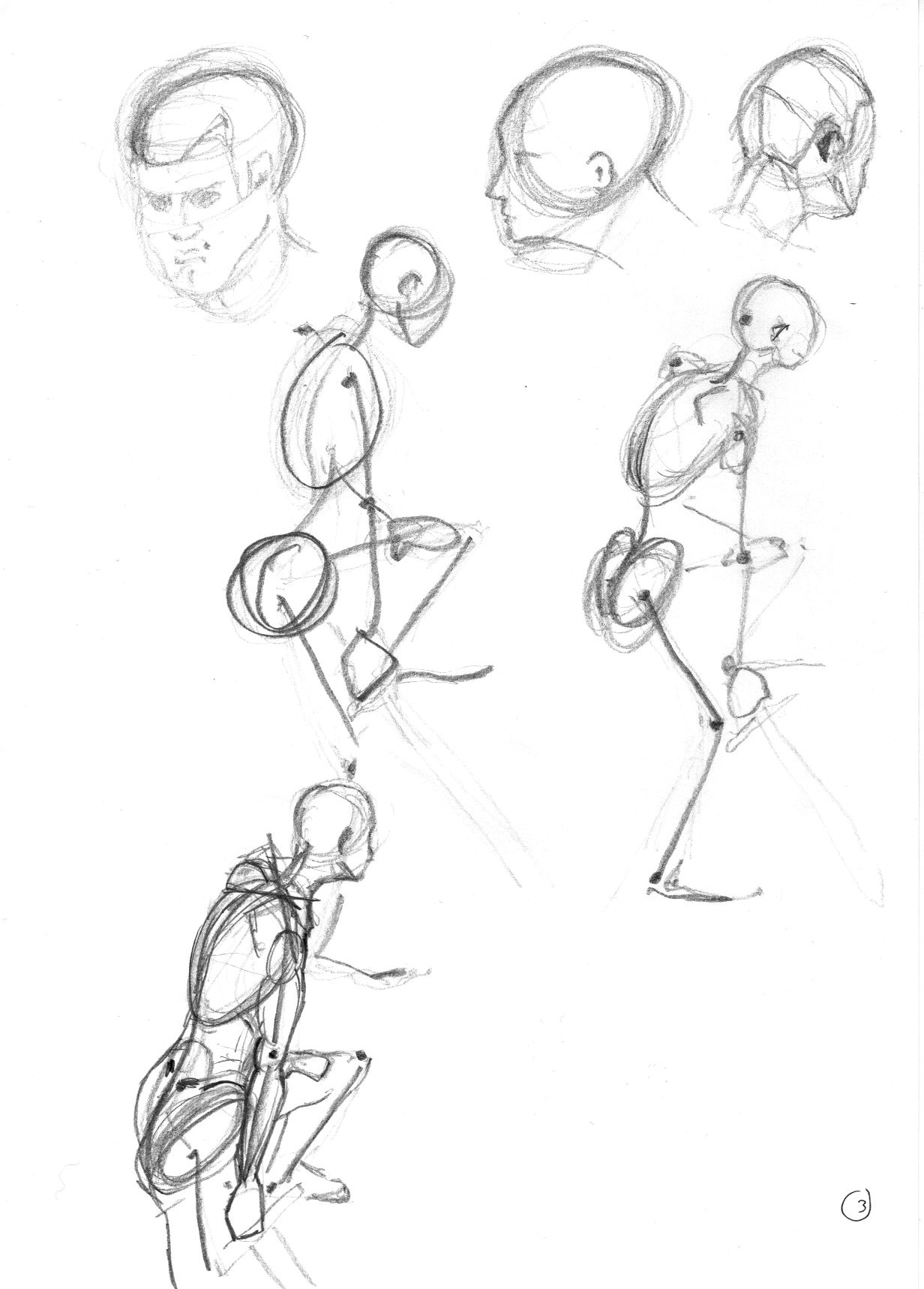
… and a few more tries, even reducing the figure to a simple gesture drawing. This exercise is good for me (not falling back on references). It is very honest and displays my current lack of skill. It can be depressing and I believe this is what stops me from drawing most of time. But honestly, I mustn’t forget I wasn’t doing anything like this a year back.
20141124-220141124-320141124-4

So, perspective is still quite an issue and drawing believable 3 dimensional objects. Gesture isn’t quite right either. But what can I expect from not practicing. Anyhow, got back from the day job and tried a few more off the top of my head. Until I decided on retrieving my George B. Bridgman “Head” book from my ever growing tower of drawing instructions.

20141124-520141124-6

Now this is where I want to be one of the days, without looking at the book. It looks so simple just a few lines and it’s there. Ha! So simple … perhaps one of the days. Practice, practice, practice.

Collage with Stamps and Ink

Back from class, collages today,

Here’s a picture with stamps from my first stamp album, stamps from the year my (now adult) son was born and a selection of stamps from the countries which play a role in my life (England, Germany, Lithuania, Russia). It was nice to do something different and I’m glad I dragged myself to class tonight.

DSC03392

2 hours and a Pencil

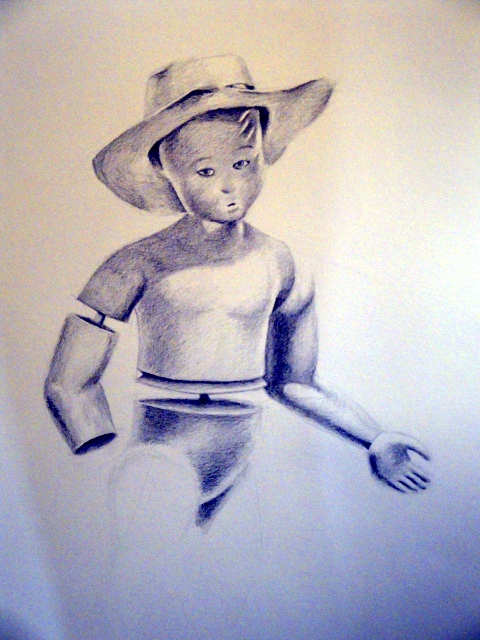
Had fun with this tonight. The instructor brought a real life doll with her. The light was bad, but I had fun with my 4B and 6B pencils. It’s wearing a straw hat and the doll had an awful patina of light and dark colours, which made the detection of light and dark, highlights and shade, extremely difficult. But it was really fun and time (2 hours) just simply flew past in a blink of an eye.

DSC03371

A bit of Drawing

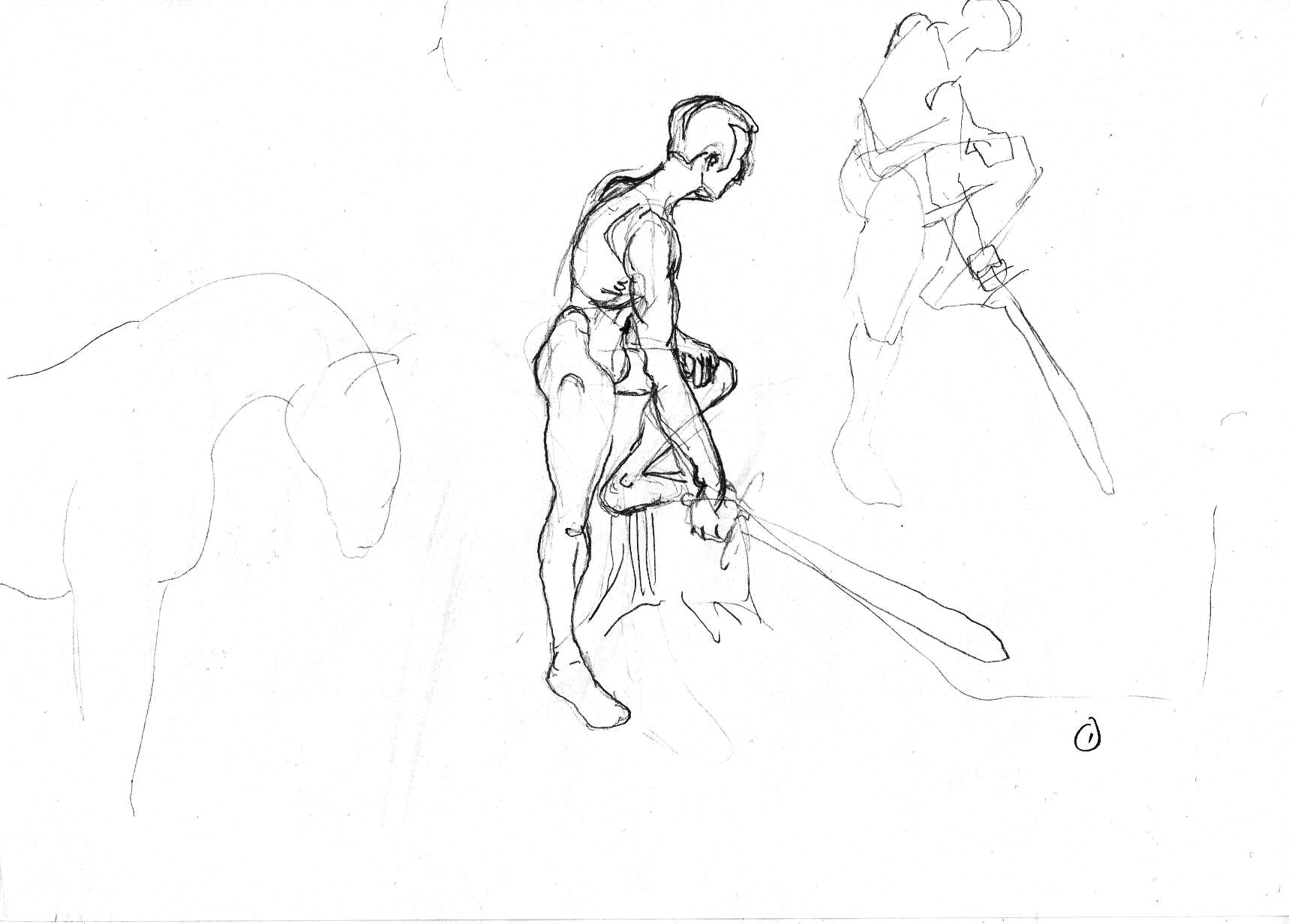
After attempting a weekend of gesture drawing in various styles and chasing different goals (especially trying to break out of my scribbling style for a short while), I spent the morning’s first hours working on a gesture of a rock musician sitting on a field which ended in an outline sketch:
20141026_01

On the weekend, I started re-reading Michael Mattesi’s “Force. Dynamic Life Drawing for Animators” and was now looking for the applied forces and direction of any future movement of the “model”. Anyhow, once I was satisfied with the above (despite the strange knee), I continued with the next gesture and then I decided to fill it with tone values.

I know the anatomy on this one is also not correct, anyhow … while drawing this, I started thinking in planes, as George Bridgman mentions a lot in “Drawing from Life” and had some wonderful insights.

I’m not sure I would have noticed the points without studying the theory; it was incredible to see how the consistent shading of planes with same or similar orientation in space helped the eye and brain to place the individual parts of the model “correctly”. I decided on a few real highlights and noticed that erasing any lines I had previously made close to them enhanced the strength and believabilty of the entire drawing (I did A LOT of erasing, which is very unusual for me).

So, no lines near highlights. Consistent shading of similarly oriented planes. And, less contrast in the background.

20141026_02When I got back from work, in the evening, eyes drooping, I decided on shading the first drawing:

20141026_03I’ve been using 2B here on cheap (80 gr) paper (A4). On the last sketch I chose a 4B to make a few darker lines here and there. Well, there are good and bad points, but it’s fun to do more than gestures!

Describing Mass (Mass over Shading)

There are a couple of points here.

Ok, this isn’t a great picture. But it is only about 15 minutes and what I am concentrating on here is to learn

  1. why I hear/read so often that drawing from magazines/photos is harder than from real life
  2. how to draw mass
  3. what lighting can do to mass
  4. how to draw lines instead of always only building up tonal values by shading
  5. how to keep my mind/eye off cast shadows

20141012_01_Heidi

First off: yes, drawing from photos is now a lot harder, perhaps nigh impossible currently. I used to just copy “tone value” by “tone value” and get a nice copy of the picture in the magazine. (Could have photocopied/xeroxed it).

Now, I’m looking for mass, trying to display the forms and variations in the mass with contour lines, or any lines, but not by building up or copying shadows with tonal values.

But photos of models like Heidi here are lighted brilliantly (glaringly) from the front. So the face looks pretty (slip of the tongue there) flat.

By the way the contour lines I made on the sausage (above the eye) and the lower eye lids are not the eye lashes. The lashes and the eye brows have no mass, so they’re not in my drawing. See also Leonardo Da Vinci. You won’t see many eye lashes or brows in pictures from the Renaissance. As did  Leonardo, I also added a bit of cast shadow to the iris leaving an “impression” of eyelashes.

Lines: attempting to not correct my bad lines too often. The first line needs to sit well. That is the goal. Not there by miles yet. Flaring of the line, or perhaps better put: “feathering of the line”, obviously works better for me if I begin at the feathered end and draw towards the darker point. I haven’t got the control of this line yet, but it exercising this skill looks promising.

I noticed in my “finished” product, that I didn’t copy the cast shadow of the head on the neck. And that I kept the contour lines on the neck nice and decent, quiet and light (at least the ones I made towards the end of the drawing), which allows the neck to move to the background. Just where we need it.

So, not too much of a loss here. Need to practice more. Practice. Practice. Practice.

And a few hours later … here another practice session. (both drawings are using a 8B round tip pencil, not especially sharp.)

20141012_02_BB